

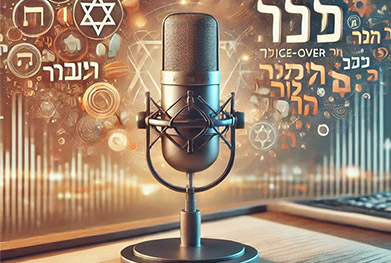
The Importance of a Native-Language Voice-Over Artist
Voice-over is an art in its own right, combining voice, intonation, expression, and the ability to tell a story using words alone. In a reality where businesses, organizations, and independent creators rely on voice-over services for commercials, corporate videos, audiobooks, and other digital content, choosing a voice-over artist who is a native speaker of the language being recorded is critically important.
What Is Voice-Over and What Is Its Role?
Voice-over is a means of delivering a message in a professional, clear way that’s tailored to the target audience. A voice-over artist doesn’t just “read text” — they bring words to life, convey emotion, and shape the listener’s experience. For example, a commercial requires a dynamic, energetic delivery, while an audiobook may call for a calmer, more intimate approach.
Why Is It Important for a Voice-Over Artist to Be a Native Speaker?
When a voice-over artist records in a language that is not their native tongue, it can result in a foreign accent, grammatical mistakes, or inaccurate intonation. Below are several key reasons why choosing a voice-over artist who is a native speaker of the language they are recording in is the ideal choice:
1. Accurate and Natural Pronunciation
A native language is not just vocabulary, but also intonation, pronunciation, and the natural flow of speech. A native speaker can recognize subtle nuances that may not be obvious to those who speak the language as a second language. Accurate pronunciation ensures the message is delivered clearly and naturally, without forcing listeners to strain to understand what’s being said.
2. Understanding the Local Culture
Language doesn’t exist separately from the culture it comes from. A native-speaking voice-over artist understands the audience’s cultural background and knows how to use tone, humor, or metaphors that fit the cultural context. For example, a voice-over artist who grew up locally and records in Hebrew knows how to adjust their tone for different audiences — children, business professionals, or the general public — far more effectively than someone who isn’t part of Israeli culture.
3. Credibility and Professionalism
Listeners can quickly tell when a voice-over artist is not a native speaker of the language. A foreign accent or unnatural tone can distance the audience, undermine the credibility of the message, and convey a lack of professionalism. In contrast, a native-speaking voice-over artist projects credibility, professionalism, and a natural connection with the audience, helping ensure the success of the voice-over.
4. The Ability to Convey Emotion and Message Accurately
One of the most important roles of a voice-over artist is to convey emotion and connect with listeners. A voice-over artist who is not a native speaker may struggle to deliver subtle emotions or complex messages accurately. For example, a Hebrew voice-over artist must know when to emphasize certain words, how to use a calming or dynamic tone, and how to play with pacing to create engagement.
Summary
High-quality voice-over begins with choosing the right voice-over artist. When it comes to Hebrew, a native Hebrew-speaking voice-over artist is the key to success. They bring not only mastery of the language, but also a deep connection to the culture, a strong understanding of the audience, and the ability to deliver the message authentically. In a competitive world where the listener’s attention is valuable, investing in a professional, native-speaking voice-over artist is essential to achieving the best possible result.